 90%
 75%
 USA
 Canada
 Australia
 UK
Is Your Online Casino Not Paying Out? Here’s What To Do Next


Having trouble getting your winnings from an online casino? Withdrawal delays can happen for several reasons, from identity verification checks to problems with your chosen payment method. However, if the casino keeps delaying your payout or refuses to release your money without a clear explanation, there’s reason to investigate further.
Before taking action, you’ll want to understand why your withdrawal was delayed or denied. We’ll walk you through what to check, how to approach the casino, and what you can do if customer support can’t resolve the issue. Your options will also depend on where the casino is licensed and the protections available to players.
What To Do When an Online Casino Won’t Pay
Take these steps in order:
Avoid placing new bets while your withdrawal is pending. Continuing to play can reduce the disputed balance and make the transaction history more difficult to follow.
Check Whether Your Withdrawal Is Pending or Sent
Check the status of your withdrawal first. If it shows as pending, the casino hasn’t sent the money yet. The withdrawal may still be going through normal processing, security checks, or an account review.
A withdrawal marked as sent or completed means the casino has processed the payment and released it. That doesn’t always mean the money will appear in your account straight away. Your bank, card provider, or payment service might need additional time to process it.
If a payment has been sent but hasn’t arrived, ask the casino when it was processed and request a transaction reference. If it remains pending past the casino’s stated processing time, contact their customer support team to find out what is causing the delay.
Confirm That the Withdrawal Is Actually Late
Start by checking the casino’s cashier page and withdrawal policy. Processing times vary by operator and payment method, and the advertised timeframe may begin only after the casino approves the request.
A cryptocurrency withdrawal might be processed within hours, while cards, bank transfers, and checks can take several business days. Weekends, holidays, payment-provider reviews, and bank processing times may also extend the wait.
Look for three separate timeframes:

- The casino’s internal pending period
- The payment method’s processing time
- Additional verification or security review periods
Contact support once the stated timeframe has passed. Ask for the withdrawal’s current status, the reason for the delay, and a specific list of anything required from you.
Check Your Account & Payment Information
A small account error can cause an automatic rejection. Confirm that your name, date of birth, address, phone number, and payment details match the information attached to your casino account.
Other common problems include:
- Requesting less than the minimum withdrawal
- Exceeding daily, weekly, or monthly cashout limits
- Entering an incorrect crypto wallet address
- Using a payment method that doesn’t support withdrawals
- Trying to withdraw through a different method than you used to deposit
- Holding multiple accounts with the same casino
- Accessing the casino from a restricted location
Ask the payments department to identify the exact rule or account field causing the issue. A general response such as “your withdrawal is under review” doesn’t explain what you need to correct.
Complete the Casino’s Verification Process
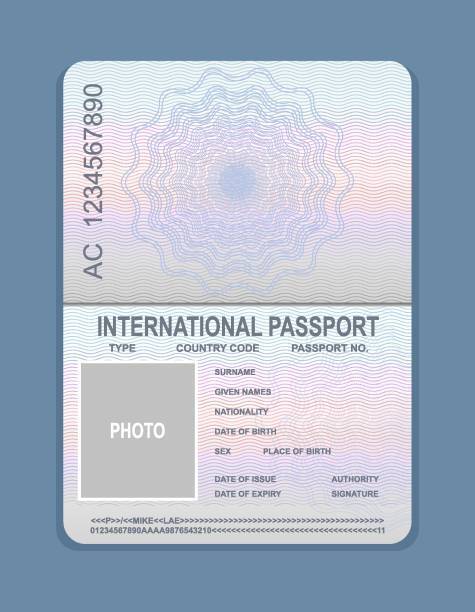
The best online casinos commonly verify a player’s identity before releasing a withdrawal. You may need to provide a government-issued ID, proof of address, and evidence that you control the payment method used to fund the account.
Make sure every document is current, readable, and consistent with your account details. Cover sensitive information that the casino doesn’t request, such as a card’s full security code.
Ask support to confirm:
- Which documents are outstanding
- Whether your previous documents were accepted
- Why any document was rejected
- Whether another verification step is required
- When the review should be completed
Repeated requests for the same documents without an explanation can be a warning sign. Keep copies of everything you submit and record the date of each upload.
Review the Bonus Terms
An active casino bonus can prevent you from withdrawing cash until you meet its conditions. Check the promotion’s wagering requirement, eligible games, maximum bet rule, expiration date, and maximum cashout.
For example, a casino may cancel bonus-related winnings if you:
- Withdraw before completing the rollover
- Place bets above the promotion’s maximum
- Play excluded games
- Use restricted betting strategies
- Claim overlapping promotions
- Exceed a maximum withdrawal attached to a no-deposit bonus
Ask the casino to show its calculation if it claims you haven’t completed the wagering requirement. The response should explain how much wagering you completed, how much remains, and which bets didn’t count.
The casino should also identify the specific term it believes you violated. Don’t accept a vague reference to “bonus abuse” without supporting account information.
Contact the Payments Department in Writing
Live chat can help with basic questions, but email creates a more reliable record. Contact the casino’s payments, security, or complaints department rather than repeatedly opening new chats with general support.
Include:
- Your account username or registered email
- The withdrawal amount
- The request date
- The payment method
- The transaction number
- The stated processing timeframe
- A concise description of the problem
- A list of documents already submitted
Ask for a written response and a case or ticket number. Keep the message factual, direct, and professional. Threats, insults, and repeated messages can distract from the evidence and make the complaint harder to review.
Save Evidence Before the Account Changes
Document the dispute as early as possible. Casinos can update terms, close accounts, remove chat histories, or change the information shown in the cashier.
Save screenshots or copies of:
- Your account balance
- The withdrawal request
- Deposit and betting histories
- Bonus progress
- Relevant promotional terms
- The casino’s withdrawal policy
- Verification requests
- Uploaded document confirmations
- Emails and live chat transcripts
- Rejection or cancellation notices
Create a simple timeline showing each action, response, and date. Official complaint guidance commonly recommends including dates, times, disputed amounts, and supporting evidence while retaining copies of all correspondence.
Submit a Formal Complaint to the Casino
Ask the operator for its official complaints procedure. A complaint should be handled separately from a routine support request and may receive review from a manager, compliance team, or dispute specialist.
Your complaint should explain:

- What happened
- How much money is involved
- When you requested the withdrawal
- Which terms you believe you followed
- What explanation the casino provided
- What outcome you’re requesting
- Which evidence supports your claim
Request a final written decision. This response may be necessary before a regulator or independent dispute service will consider the case.
Don’t open multiple complaints about the same withdrawal unless the casino instructs you to do so. Use the existing case number and add new evidence to the same record.
Form an Evidence Checklist for Your Dispute
Make sure you are organized with evidence to support your formal complaint to an operator or regulator. Here is a quick checklist of common forms of evidence to help your case.
Casino Dispute Evidence Checklist

☐ Screenshot of balance
☐ Withdrawal request and status
☐ Transaction ID
☐ Deposit history
☐ Betting history
☐ Bonus terms at the time you claimed the offer
☐ Wagering progress
☐ Casino withdrawal terms
☐ KYC requests
☐ Proof documents were submitted
☐ Emails
☐ Chat transcripts
☐ Withdrawal rejection/cancellation notice
☐ Timeline of communications
Escalate the Dispute to the Correct Organization
Your next step depends on the casino’s license and the protections available under that jurisdiction. Verify the license through the regulator’s official register rather than relying only on a logo displayed on the casino’s website.
How to Escalate a Complaint Against an Offshore Casino
If you’re dealing with an offshore casino, the complaints process depends on its license. Check the casino’s website for its complaints procedure and any independent dispute-resolution service. Some licensing authorities accept regulatory complaints but won’t settle individual payout disputes. Keep copies of your withdrawal requests, correspondence, and any documents you’ve submitted in case you need to escalate the issue.
Offshore casinos generally offer fewer consumer protections than locally regulated operators, making withheld winnings harder to recover. If you deposited by credit card, you can also ask your card issuer whether a payment dispute is possible, although a chargeback isn’t guaranteed.
File a Complaint With the Licensing Authority
Check the regulator’s website for its complaint process and required evidence. Different authorities have different responsibilities, and some investigate regulatory violations without deciding individual payment disputes.
The Malta Gaming Authority, for example, provides a formal complaint channel for concerns involving MGA-licensed operators. Its guidance directs players to complain to the operator first before referring an unresolved matter to the authority or an applicable ADR entity.
Only contact the regulator named on the casino’s verified license. Another gaming authority generally can’t intervene in the dispute.
Use a Recognized Player Complaint Service
Established gambling complaint websites and moderated player forums may help communicate with an operator, particularly when formal regulatory options are limited. Choose services that publish their process, protect personal information, and allow the casino to respond.
Public complaints can also show whether other players are reporting similar withdrawal problems. However, don’t post identification documents, payment details, account passwords, or unredacted financial records.
Consider Legal Advice
Legal action may be possible when a large amount of money is involved, but jurisdiction, cost, and enforceability can make it impractical. Speak with a qualified lawyer before filing a claim or paying anyone who promises to recover the funds.
Be cautious of online casino scams. A legitimate investigator, regulator, or dispute service won’t ask for your casino password, crypto seed phrase, or an upfront cryptocurrency payment to release your winnings.
Warning Signs That a Casino May Not Pay
A single processing delay doesn’t prove that a casino is dishonest. Concern becomes more reasonable when several warning signs appear together:
- The casino has no verifiable license.
- Its withdrawal terms are unclear or contradictory.
- Support won’t identify the reason for the delay.
- The operator repeatedly cancels approved withdrawals.
- New verification demands appear after each submission.
- The casino encourages you to reverse and gamble the withdrawal.
- Account access disappears after you request payment.
- Multiple recent complaints describe the same problem.
- The operator changes the reason for withholding funds.
- The casino asks you to deposit more money before releasing a withdrawal.
Don’t send another deposit to “unlock,” “verify,” or “insure” a payout. Legitimate withdrawal fees should be disclosed in the casino’s terms and deducted through an established payment process.
Read More: Blacklisted casinos to avoid
How To Reduce the Risk of Future Withdrawal Problems
Check the casino before depositing rather than waiting until a payout is delayed.
Verify its gambling license through the issuing authority, read recent withdrawal complaints, and review the cashier terms. Pay particular attention to processing times, withdrawal limits, verification requirements, bonus restrictions, and supported payment methods.
You can also reduce complications by:
- Completing verification before making a large deposit
- Using payment details registered in your own name
- Taking screenshots of bonus terms when you claim an offer
- Testing the cashier with a smaller withdrawal
- Keeping one account per casino
- Avoiding VPNs or restricted locations
- Tracking deposits, wagers, winnings, and withdrawals
- Choosing casinos with clear complaint procedures
A fast payout claim means little unless the casino explains when its processing period begins and what conditions apply.
Frequently Asked Questions
The casino may be conducting identity checks, reviewing bonus play, processing the request internally, or waiting for a payment provider.
A casino may withhold or void funds when a player violates valid terms, but it should explain the decision and identify the applicable rule.
Yes. Identity and payment verification are common before withdrawals, especially when the account hasn’t previously completed the casino’s checks.
No. Reversing a withdrawal puts the balance back into play and creates a risk that you’ll lose the money before the dispute is resolved.
Contact the casino’s payments department first, followed by its formal complaints team, approved ADR provider, or verified licensing authority.
A bank may investigate unauthorized transactions, but a chargeback isn’t a substitute for resolving a legitimate gambling dispute. Misusing chargebacks can lead to account restrictions or further disputes.
Final Steps When a Casino Doesn’t Pay
A delayed withdrawal doesn’t always mean a casino is refusing to pay. Verification checks, banking restrictions, and processing times can hold things up longer than expected. The bigger concern is when a casino stops responding, keeps changing its explanation, or repeatedly asks for documents you’ve already provided.
If you’ve followed the casino’s withdrawal procedures and still can’t get a clear answer, it’s time to consider your options outside its support team. Depending on the operator and payment method, that could mean contacting a regulator, filing a formal complaint, or speaking with your payment provider.
There’s no guarantee you’ll recover your money, especially when dealing with an offshore casino that offers little regulatory protection. Keep your records, avoid depositing more money to resolve the dispute, and be wary of anyone promising to recover your funds for an upfront fee.


